What to Know Before You Book a Tokyo Photoshoot
Five things decide whether the session you book is the session you pictured: which product it actually is, what the cheap prices leave out, when the photographs arrive, where a camera is not welcome, and which month you are shooting in.
Three products share one word
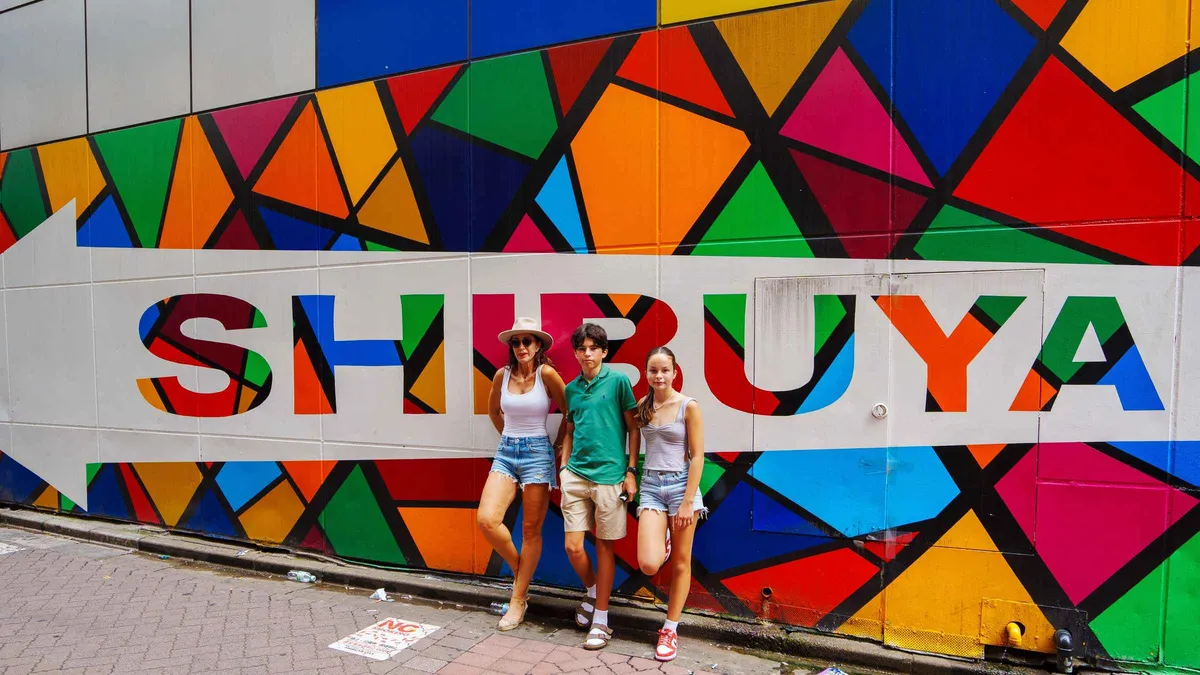
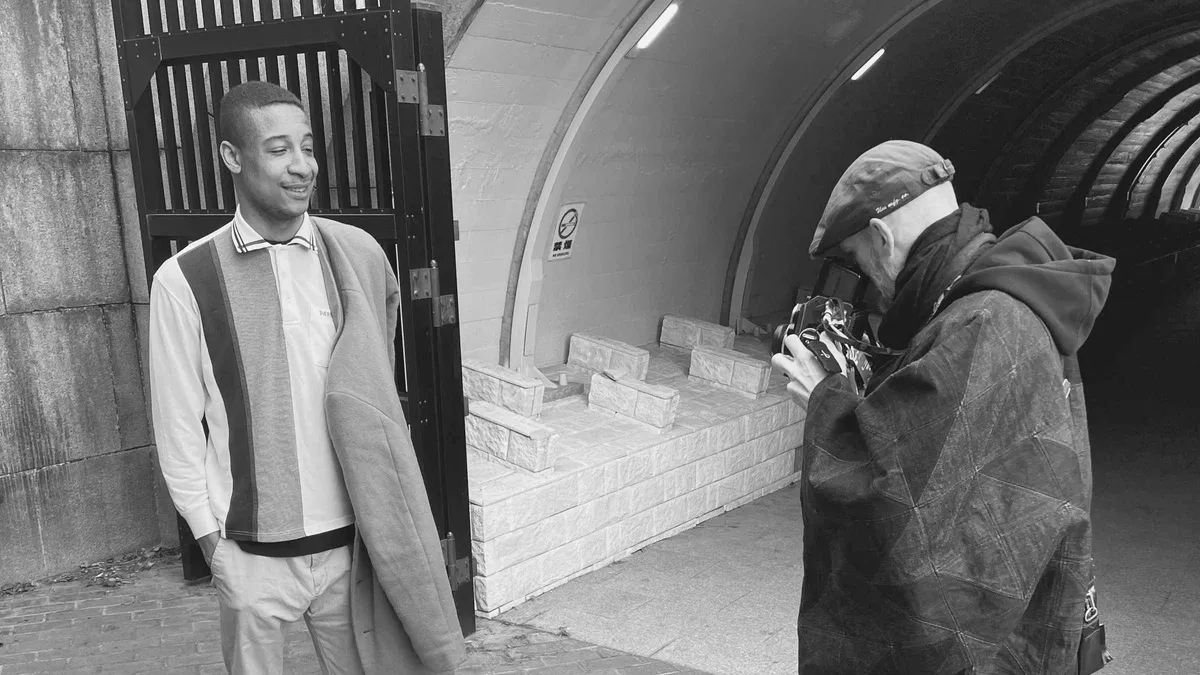
Read the inclusions before the price. Eleven of these listings put a photographer behind the camera with you in front of it. Two do the opposite: the portrait workshop hires a model for you to photograph and asks you to bring a DSLR, mirrorless or film camera, and the hidden tower viewpoints walk is a guide showing you where to stand, with the camera staying in your hands.
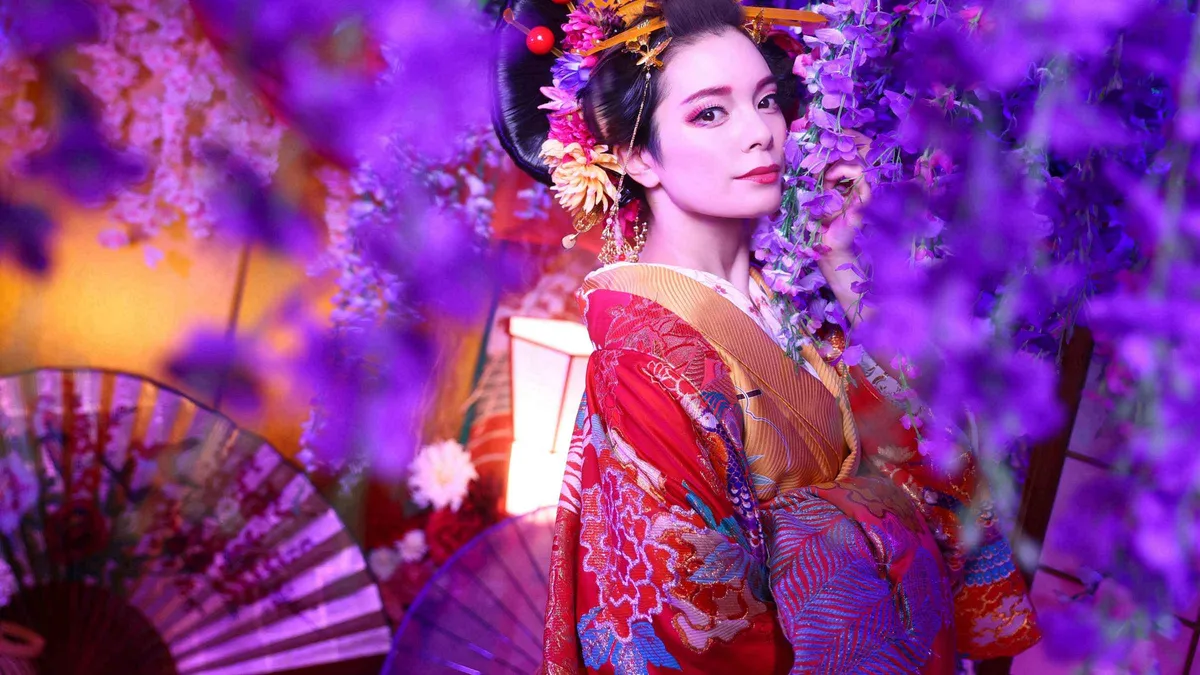
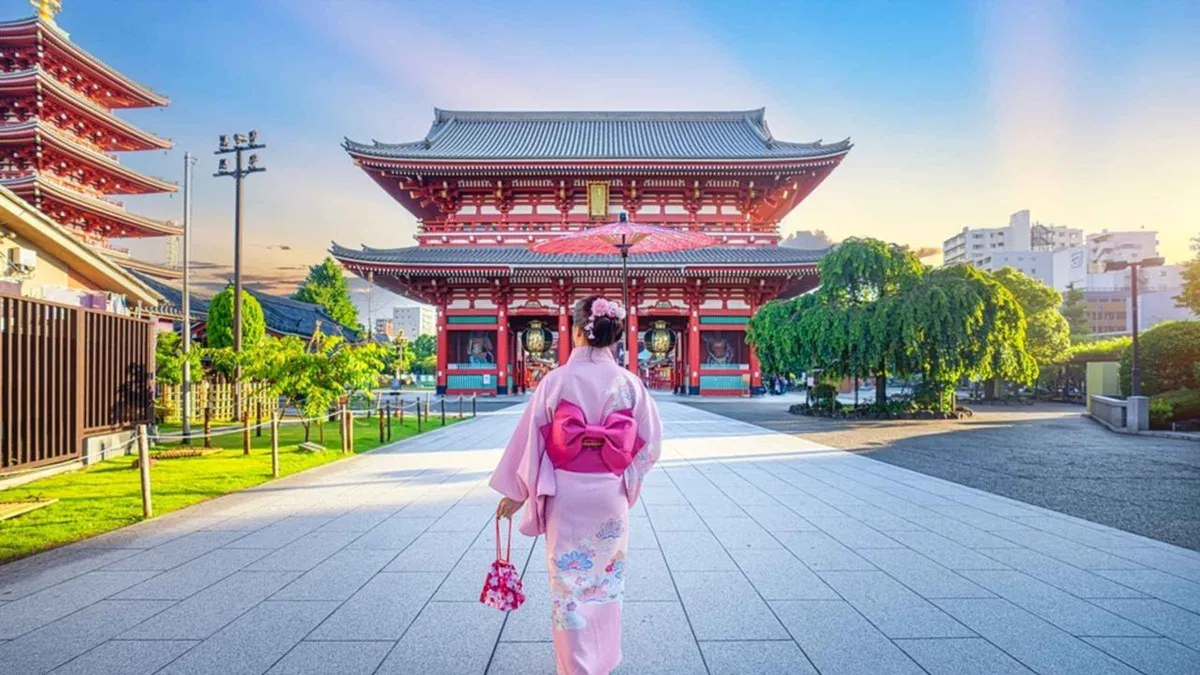
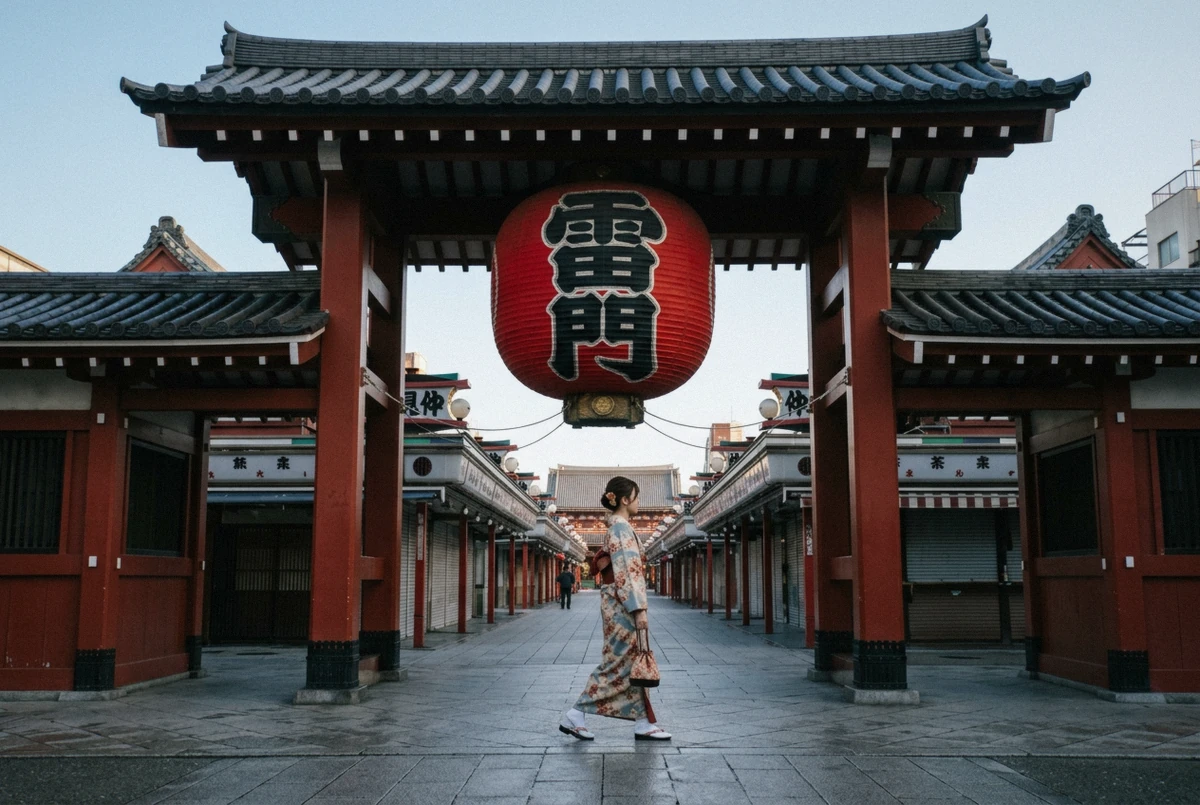
And the Asakusa kimono listing is a rental first: its cheapest tier dresses you from a 33-piece collection and lists the one-hour photoshoot as an optional extra at checkout. All three kinds are worth booking for what they are; only eleven of them are portrait sessions.
What the $21 headline leaves out
On the kimono listing, your booked time is studio check-in, not the start of the shoot — allow roughly two hours for dressing and hair, so a 14:00 booking shoots around 16:00. Makeup is not included at all; you arrive with your own done. Retouched photos are allocated per booking rather than per person, so a family of four shares one allocation.
Everything must be back at the studio by 17:30. And the sizing note is real: adult kimono may not fit well under about 150 cm, with fewer options for women above roughly 175 cm or a 100 cm waist, and men above 185 cm or a 125 cm waist. None of that makes it a bad deal — it makes it a three-hour commitment rather than a one-hour one.
Ask when the photos arrive, not just how many
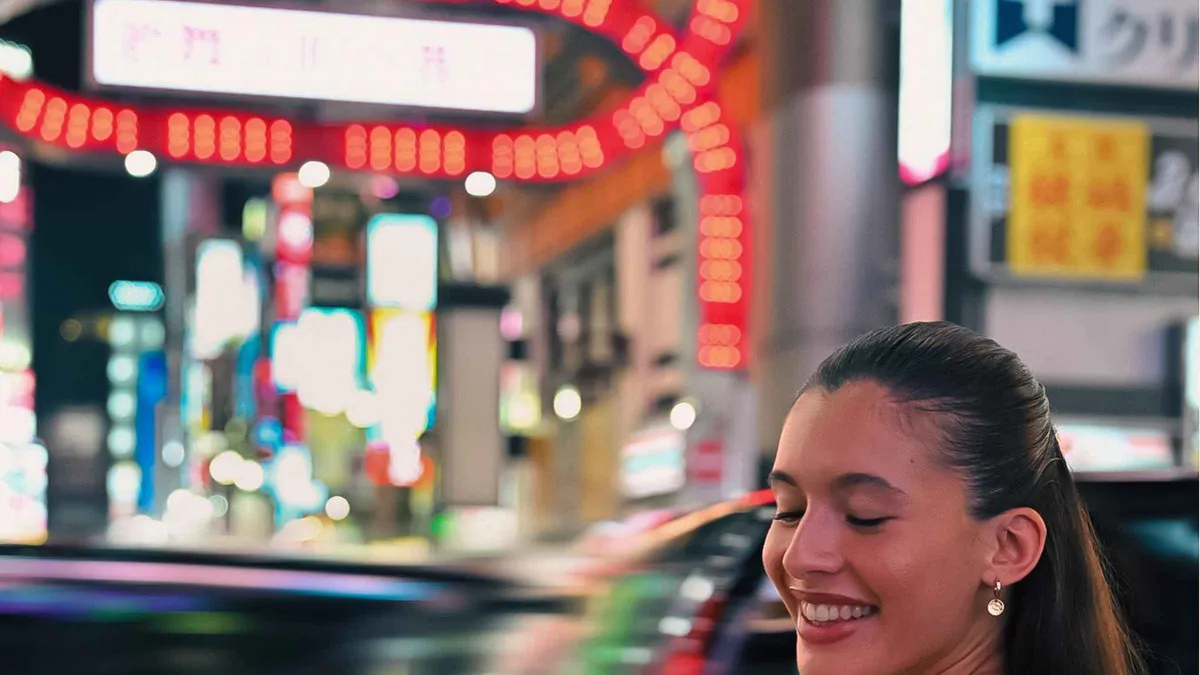
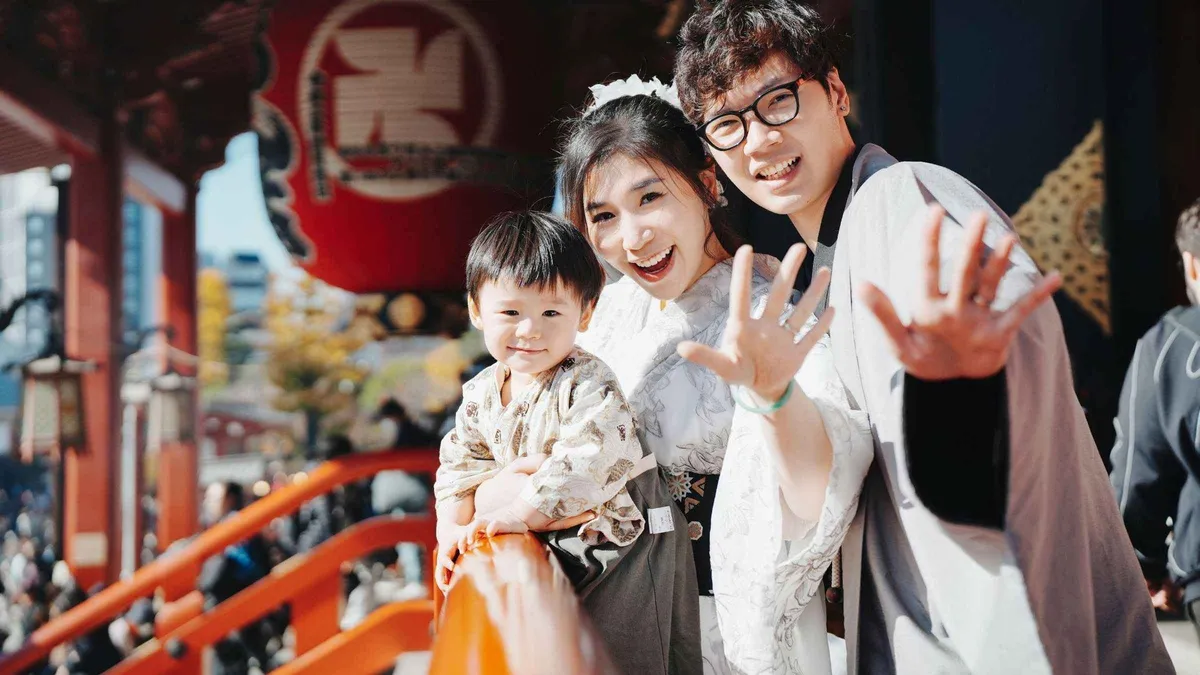
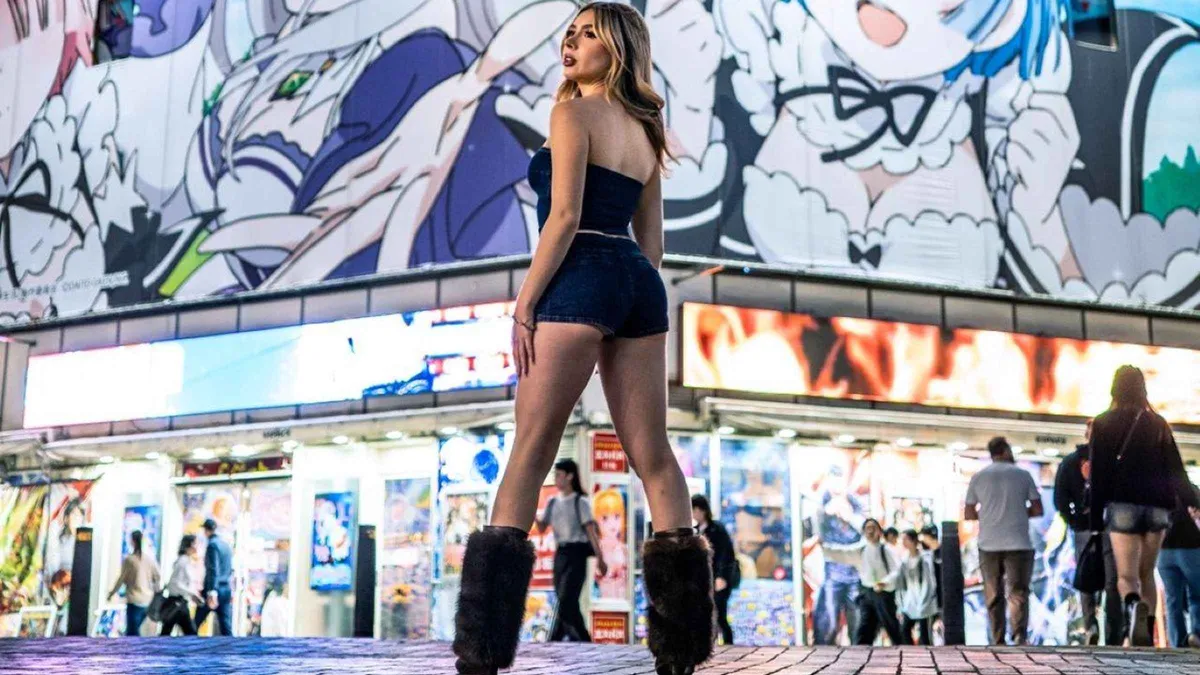
Delivery is the widest gap in this catalogue. The cyberpunk session guarantees the gallery inside 48 hours; the Shibuya Crossing and Asakusa sessions promise the same window; the Instax session says two days; the cinematic shoot says seven. Four listings state no delivery time whatsoever.
One adds a deadline at the other end: the Kabukicho hour keeps your photos in the cloud for thirty days. Counts vary just as widely — twenty edited images at the low end, 120 to 150 colour-graded with twenty fully retouched at the top. RAW files are excluded on every listing that mentions them, and prints are extra everywhere except the Instax board.
Where a camera is not welcome
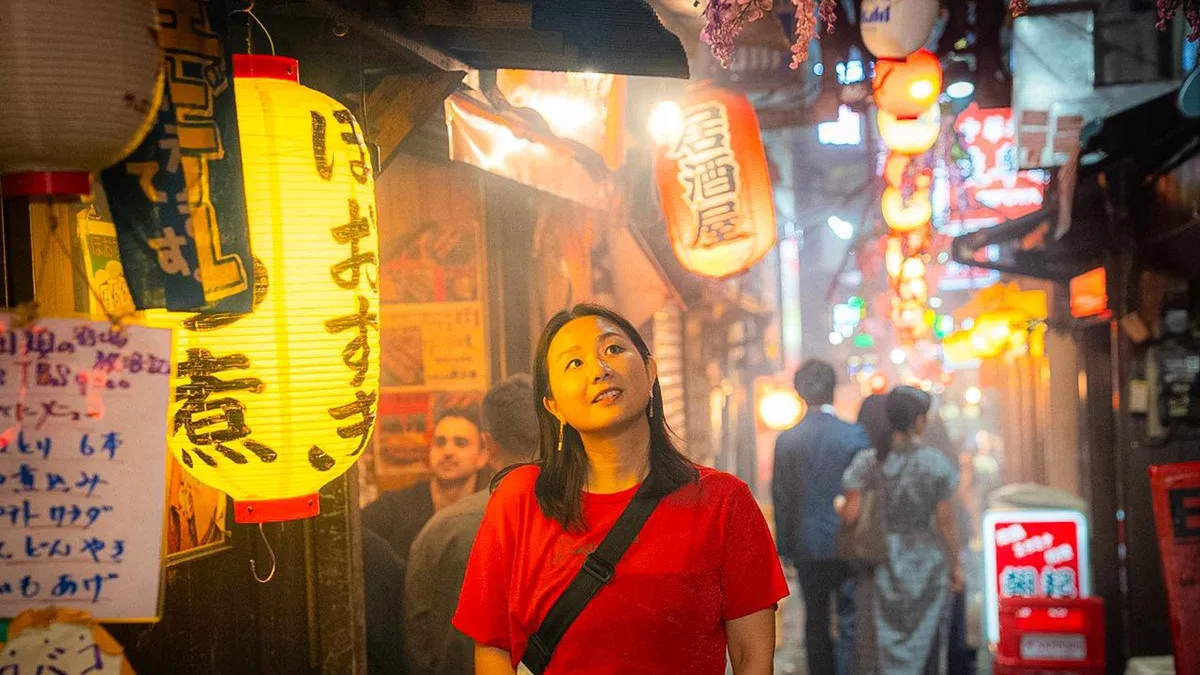
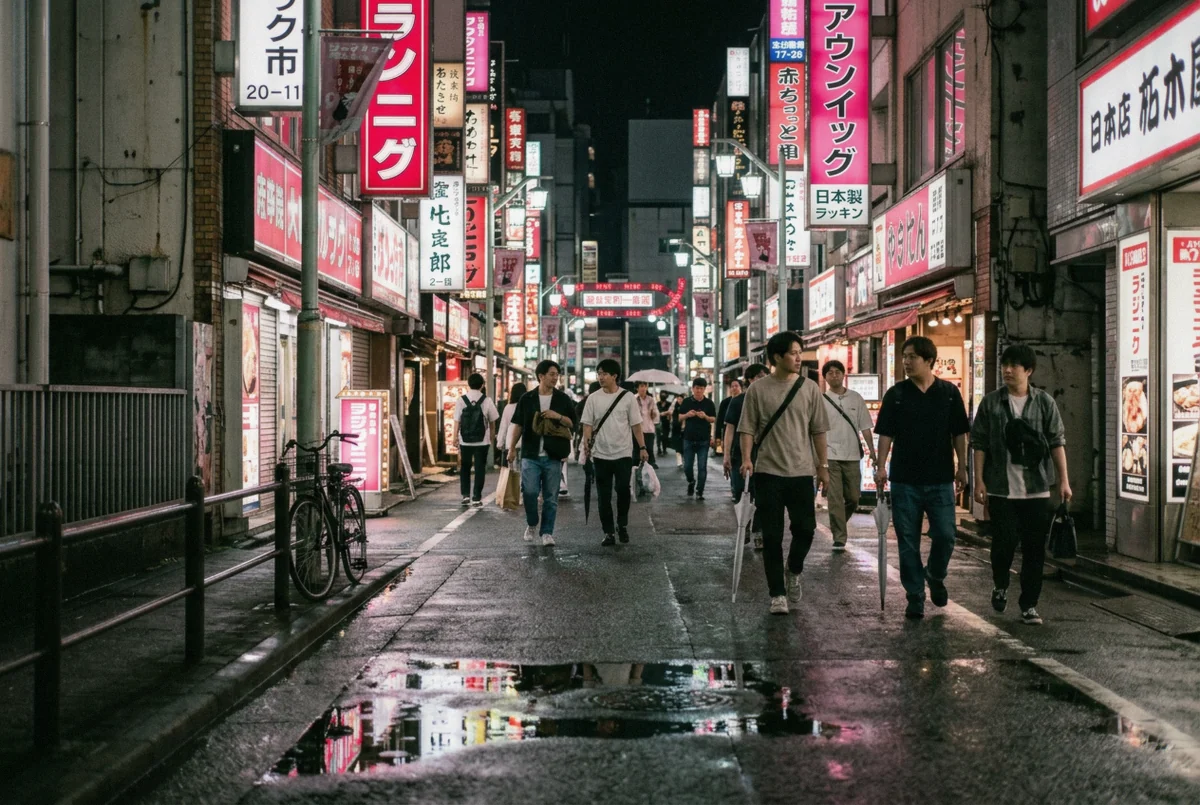
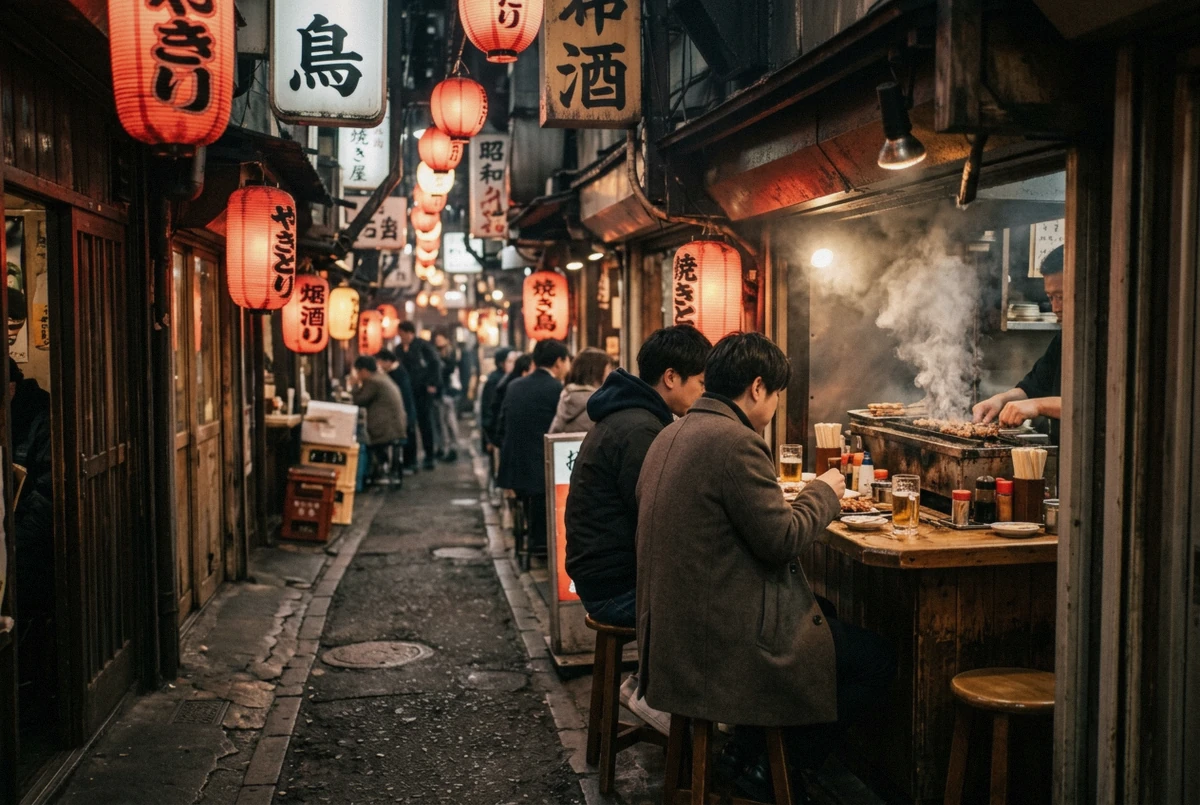
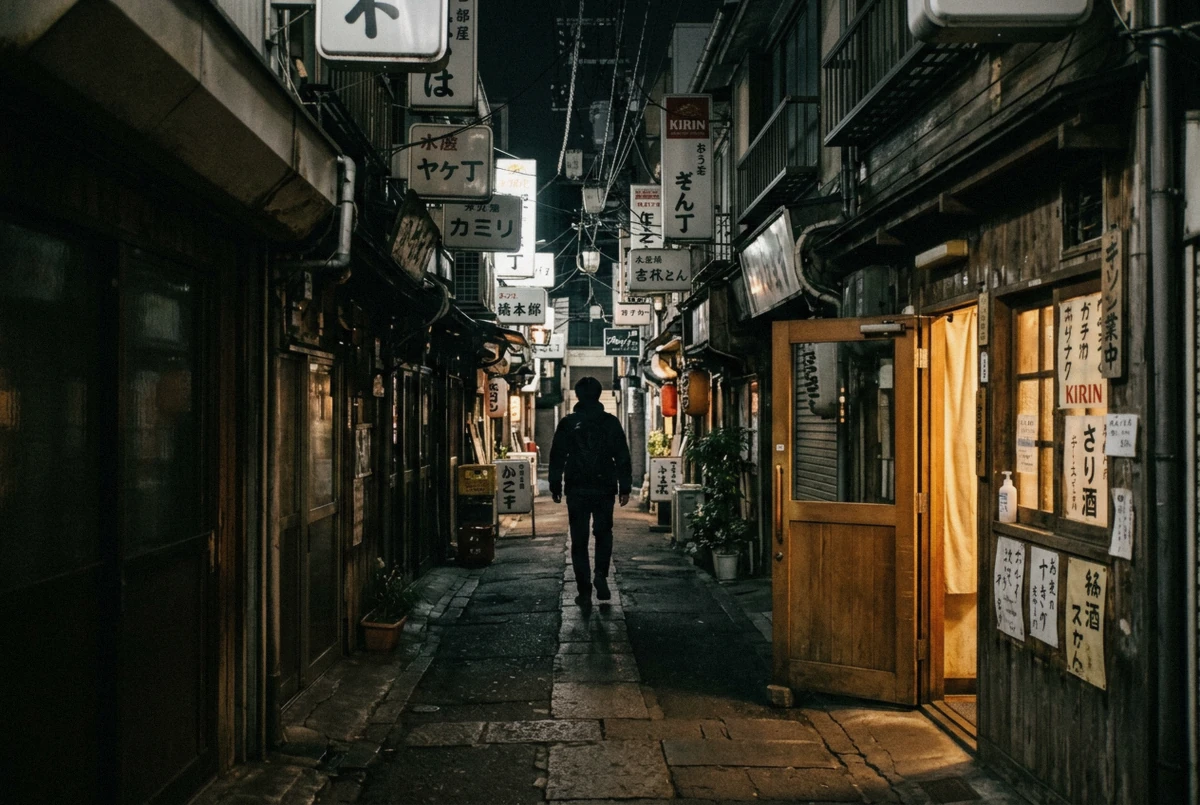
Two of Shinjuku's most photographed lanes are private. Omoide Yokocho prohibits all photography and video without prior permission from the alley's management; approved shoots wear an armband and are chaperoned by staff. Golden Gai posts no-photo signs throughout and requires the business promotion association's approval, because its regulars come for the discretion — bar owners will ask you to leave.
Both appear as stops on listings here, so ask the operator how the stop is handled before you book it. Shinjuku Gyoen, the first location the concierge services name for Tokyo, bans commercial photography outright inside the garden, caps a group at ten people including models, allows hand-held equipment only, and bars tripods and reflectors entirely during cherry-blossom season. And since 1 October 2024 Shibuya ward has banned street drinking from 18:00 to 05:00 year-round around the station and Miyashita Park — warnings rather than fines, but it changes what an evening session looks like.
The month you pick changes the photograph
Tokyo's headline season is one week long. Somei Yoshino cherry blossoms hold full bloom for roughly seven days somewhere between late March and early April — the twenty-year averages are first bloom on 24 March and full bloom on 31 March — and a windy afternoon ends it early. Autumn is the opposite of what most visitors assume: ginkgo turns gold from late November, and central Tokyo's maples run red through December, often still holding after Christmas.
That is a month later than Kyoto. In between, June brings hydrangeas and the rainy season, and September and October are the wettest months of the year at 225 mm and 235 mm. The season chart puts the numbers against the months.
Rain, typhoons and what the operators actually promise
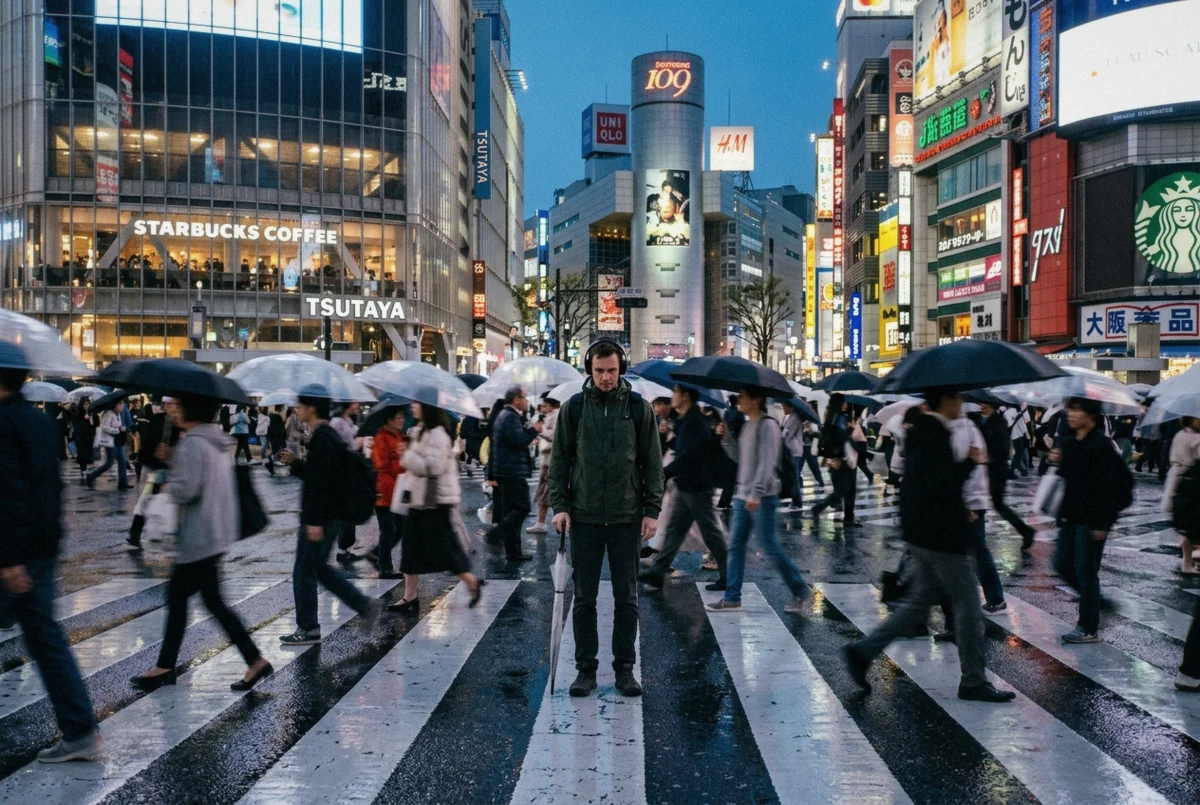
Only one listing publishes a real weather policy: the cinematic session offers a free reschedule or a full refund for a typhoon, an official Japan Meteorological Agency warning or major transport disruption, and states that light rain is not severe weather and the shoot proceeds. Two neon photographers go further and sell rain — wet asphalt reflects the signage, and reviewers on both listings describe shoots that went ahead in a downpour and came back better for it. Everywhere else, weather is not addressed, which in practice means free cancellation 24 hours ahead is your only lever.
If your dates are tight, book the neon session and let the rain happen.
 Tokyo Photoshoot